First Trip Routes
China trip itinerary: plan the route after you solve the blockers
The best China trip itinerary is not the one with the most cities. It is the one that gives you enough time to arrive, pay, get online, use rail stations confidently, and enjoy each place without turning the whole trip into a transfer puzzle.
Before choosing cities, solve the blockers
Most itinerary mistakes happen before the traveler even chooses a city. They assume the trip works like a simple European city hop: book flights, open Google Maps, pay by card, and figure out the rest when they arrive. China is different in a few practical ways. You need a payment plan, a data plan, Chinese addresses, rail timing, and the right apps before the route feels easy.
Visa or visa-free eligibility, passport validity, hotel address, and arrival documents.
eSIM, roaming, local SIM, maps, translation, and backup screenshots.
Alipay or WeChat Pay, card backup, and enough cash for small failures.
Train station names, realistic transfer windows, and first-day transport.
Choose the itinerary length honestly
| Trip length | Best fit | Suggested shape |
|---|---|---|
| 7 days | First taste, limited vacation time | 2 cities, one rail move, no complicated side trips |
| 10 days | Balanced first China route | 3 cities, one major historic stop, one modern city, one buffer day |
| 14 days | More variety without chaos | 3 to 4 bases, one slower scenic region, rail days spaced apart |
A simple first-trip route logic
A strong first itinerary usually has one arrival city, one history/culture anchor, one modern city, and maybe one scenic or food-focused extension. That gives the trip a clean story without requiring advanced logistics.
- Arrival base: Beijing or Shanghai works well because international flights and hotels are easier to manage.
- Culture anchor: Xi'an is a classic first-trip addition because it pairs well with rail travel.
- Modern contrast: Shanghai, Hangzhou, or Shenzhen can show a very different side of China.
- Optional slower region: Chengdu, Guilin/Yangshuo, or Zhangjiajie can add food, scenery, or nature.
Example route shapes
These are not one-size-fits-all itineraries. They are route shapes that help you understand pacing.
| Route | Good for | Watch-out |
|---|---|---|
| Beijing + Xi'an + Shanghai | Classic first trip with history and modern contrast | Do not put a tight rail transfer immediately after landing. |
| Shanghai + Hangzhou/Suzhou + Beijing | Urban comfort, canals, gardens, and a capital finish | Nearby cities still require station and ticket planning. |
| Chengdu + Xi'an + Beijing | Food, history, and a slower inland route | Check flight or rail time before adding extra side trips. |
| Shanghai + Guilin/Yangshuo + Beijing | City plus scenery | Scenic regions can cost more time than the map suggests. |
Protect the first 24 hours
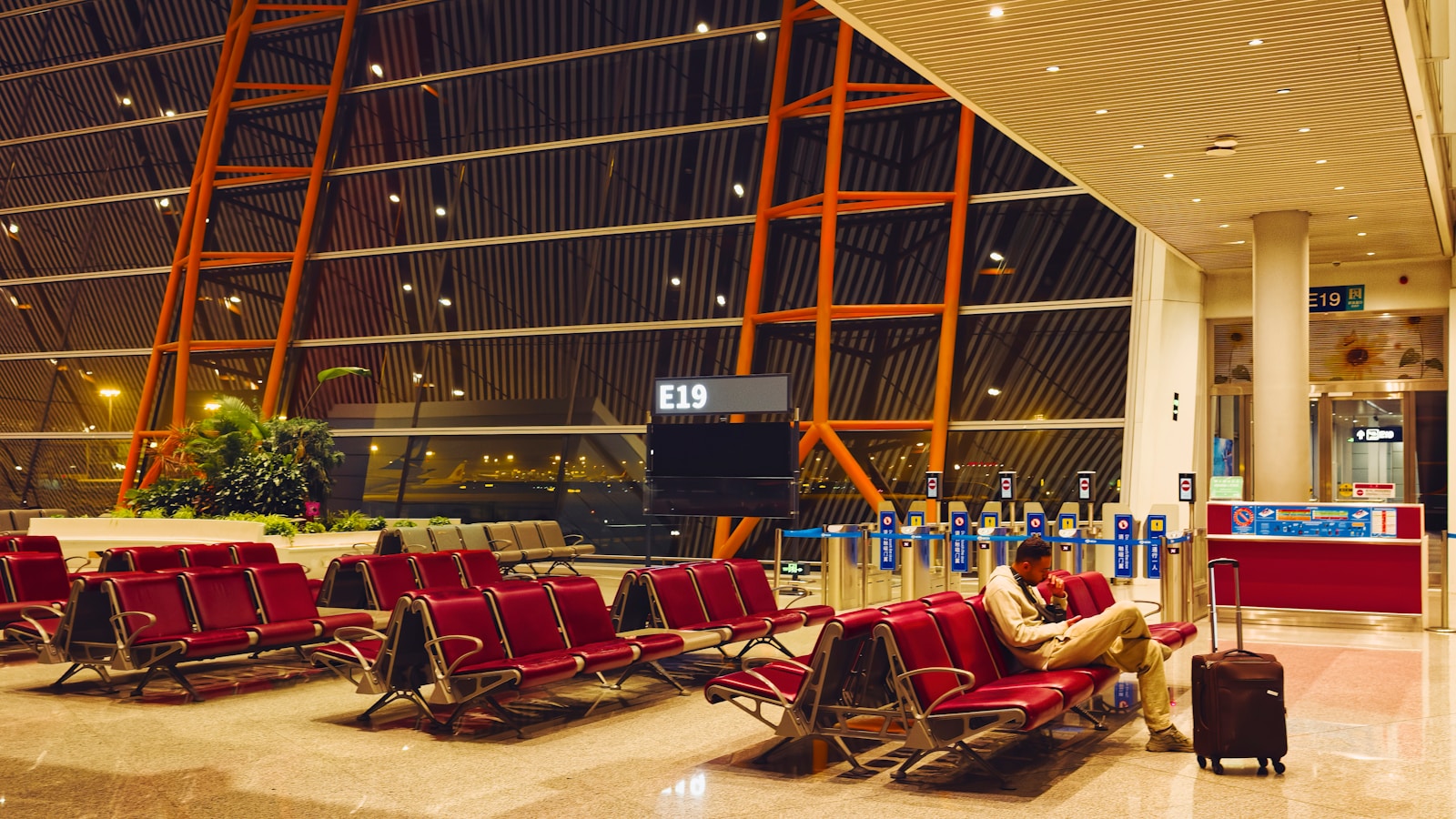
A route can look perfect on paper and still feel bad if the first day is overloaded. International arrival, phone data, payment setup, hotel check-in, and local transport should be treated as part of the itinerary, not as chores that magically happen between attractions.
| Moment | Keep it simple | Avoid |
|---|---|---|
| Arrival day | Airport or station to hotel, food nearby, and a basic app check. | Paid tours, tight museum bookings, or same-day intercity trains. |
| First morning | One important area plus a flexible backup plan. | Cross-city sightseeing before you understand local transport. |
| First rail move | Leave extra time for station entry, security, walking, and passport checks. | A train that depends on a perfect hotel checkout or taxi ride. |
How to place rail days in the route
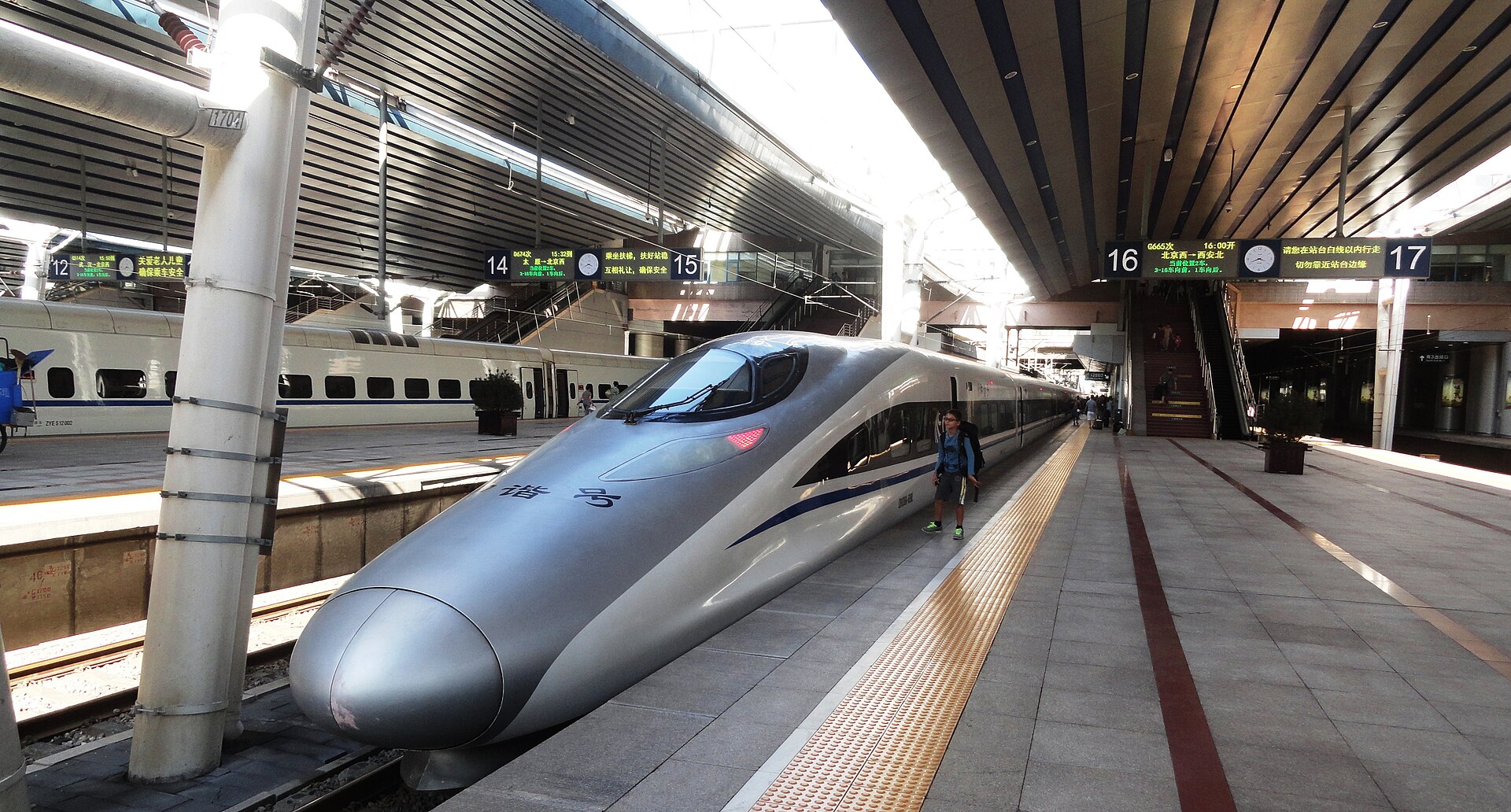
High-speed rail can make a China itinerary feel smooth, but a rail day is still a travel day. A first-time visitor should count station transfers, luggage, security, boarding, arrival transport, and hotel check-in as part of the plan.
- Count a major rail move as at least half a day, even if the train ride is short.
- Book hotels with sensible station access on rail-heavy routes.
- Keep passport names consistent across rail bookings, hotels, and flights.
- Do not place a hard-to-reschedule attraction immediately after a long transfer.
Mistakes that make a China itinerary feel hard
- Adding a new city every night because the map looks manageable.
- Forgetting that large stations need time for security, walking, and passport checks.
- Planning the first paid activity too soon after international arrival.
- Ignoring meal timing and local transport after a long train day.
- Assuming every hotel, taxi, and attraction will be easy to manage with English only.
The route check before you book
Before you pay for hotels and trains, test the itinerary with a boring question: “What happens if the first thing fails?” If your payment app fails, do you have another method? If your data fails, can you still reach the hotel? If the train station is crowded, do you have enough time? If the answer is no, simplify the route.
Turn the route into a real arrival plan.
The free checklist helps you prepare documents, payments, internet, apps, transport, and the first 24 hours before you lock your route.
Get the checklist