Most first-time visitors should prepare mobile payment before arrival, but also carry a physical card and some cash. China is highly mobile-payment friendly, yet account verification, card support, merchant limits, or internet issues can still create friction.
The safest payment plan for China is layered. Do not ask, “Which one payment method works everywhere?” Ask, “What will I use for daily QR payments, what will I use if my phone fails, and what will I show at a hotel, station, or restaurant if the first method does not work?”
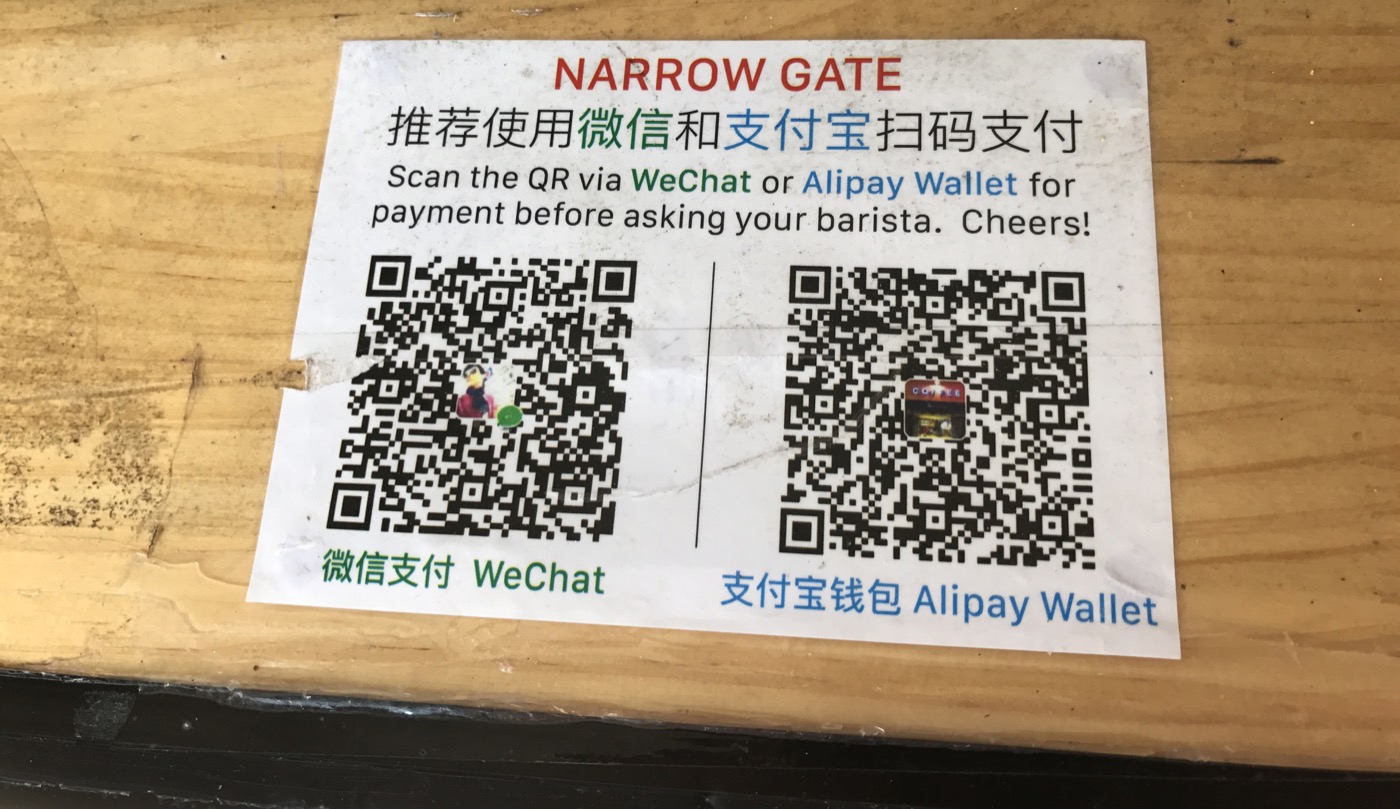
Mobile payment: usually the daily workhorse
For everyday spending, mobile payment is often the most convenient method. You may use it for restaurants, convenience stores, attractions, taxis, vending machines, and small shops. This is why payment setup belongs in your pre-trip checklist.
Two names visitors commonly prepare are Alipay and WeChat Pay. Availability, card support, limits, and verification requirements can change, so check the official instructions before you travel.
Having the app installed is not the same as being ready. You want to know whether you can log in, whether your card appears, whether the payment screen opens, and whether there are verification steps you should not leave until arrival day.
Foreign cards: useful, but not enough alone
A foreign credit or debit card can still be useful for hotels, larger merchants, and online bookings. But many small daily purchases may be easier with mobile payment. Do not assume that every restaurant, taxi, or small shop will accept your foreign card directly.
Cash: keep it as backup
Cash is not the most convenient method for every situation, but it is still a sensible fallback. If your phone loses battery, your eSIM fails, your bank blocks a card, or a wallet verification step appears at the wrong time, cash gives you a way out.
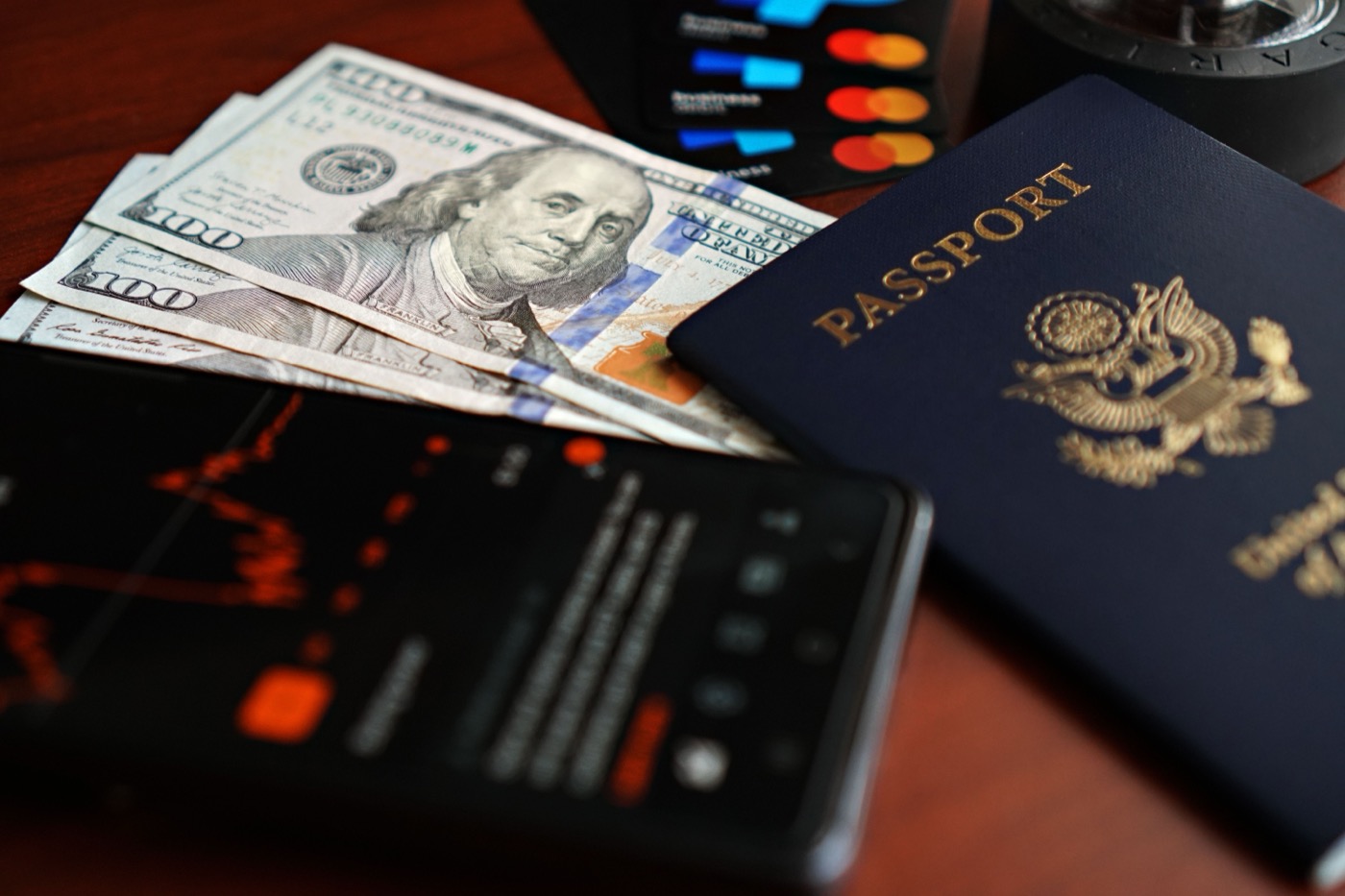
Where payment problems usually happen
Payment stress usually appears in ordinary places: a taxi line, a small restaurant, a convenience store, a station kiosk, or a hotel front desk when you are tired. The point of preparing multiple methods is not to be paranoid. It is to avoid turning a small payment issue into a trip-wide problem.
Payment method comparison
| Method | Good for | Prepare before travel |
|---|---|---|
| Alipay | Daily purchases, QR code payments, many visitor scenarios | Install, check official visitor guide, link supported card if possible. |
| WeChat Pay | Payments inside WeChat ecosystem and many local merchants | Install WeChat, check visitor card support, prepare identity verification if requested. |
| Foreign card | Hotels, some larger merchants, online bookings | Bring a physical card and know your bank's travel and security settings. |
| Cash | Fallback, phone failure, small emergency needs | Carry small-denomination RMB when possible. |
Common payment mistakes
- Waiting until arrival to install and verify payment apps.
- Assuming one foreign card will work everywhere.
- Forgetting that mobile payment also needs working internet and phone battery.
- Not saving hotel and booking details offline in case payment fails during check-in.
Use it for daily spending, but still keep card and cash available. A working first purchase does not prove every merchant, card, or verification situation will work.
Do not troubleshoot in a crowded line. Step aside, use cash or card if possible, and solve the app issue later with stable internet.
Payment setup by trip style
A solo backpacker, a family traveler, and a business visitor do not need the exact same payment setup. The principle is the same, but the backup plan changes.
| Traveler type | Recommended setup | Extra caution |
|---|---|---|
| Solo first-time visitor | One mobile wallet, one physical card, small cash backup | Keep hotel address and payment fallback offline. |
| Family or group | At least two people should have working payment methods | Do not put all payment access on one phone. |
| Business traveler | Mobile wallet plus card that matches company expense rules | Check receipts, card limits, and hotel deposit needs in advance. |
What to do before you fly
Do not wait until you arrive to learn the difference between “installed,” “logged in,” and “usable for payment.” Before departure, open your payment app, check your linked card, confirm you can receive security messages, and save your first hotel and booking details offline. Also check whether your bank may block unusual overseas activity.
This does not guarantee every payment will work. It simply removes the avoidable problems: missing login, no card attempt, no internet plan, no backup, and no idea where to find help when a payment screen looks unfamiliar.
Next step
If payment is your biggest concern, read the dedicated Alipay setup guide and the deeper guide on how to pay in China as a foreigner.
Add payment setup to your arrival checklist
Get the free checklist and make sure payment, internet, apps, and first-day backup are all covered together.
Get the free checklist